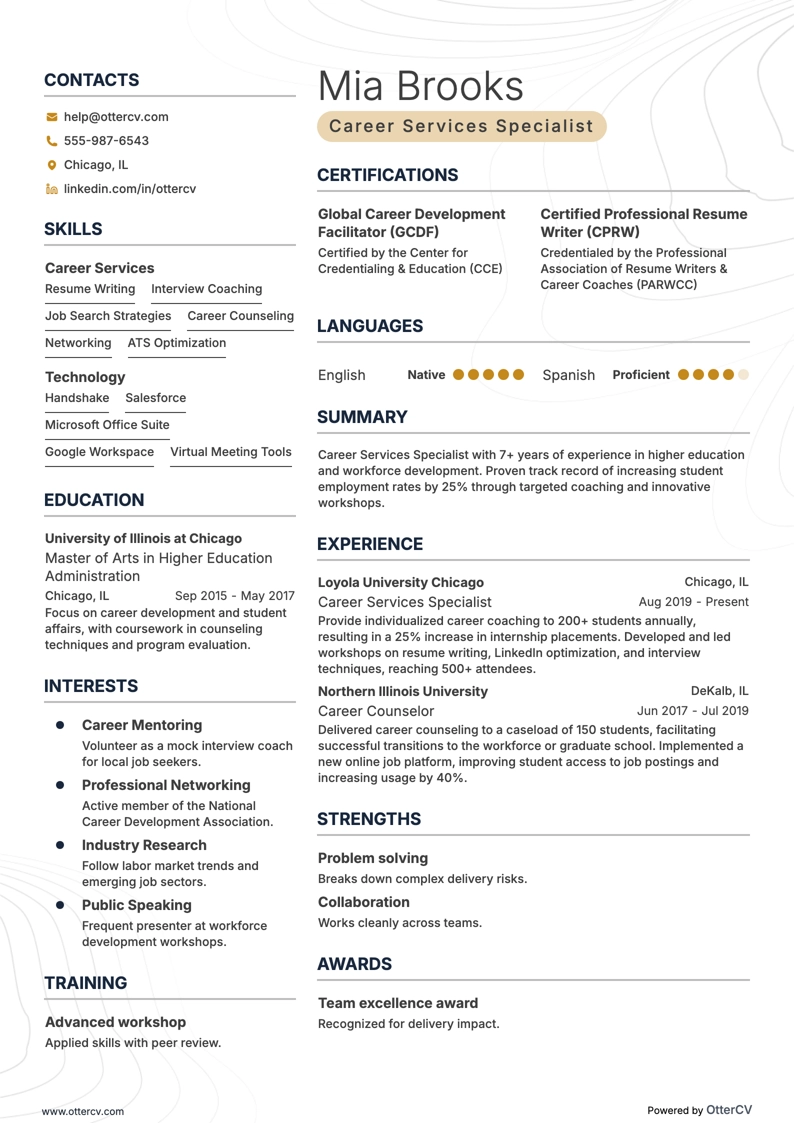
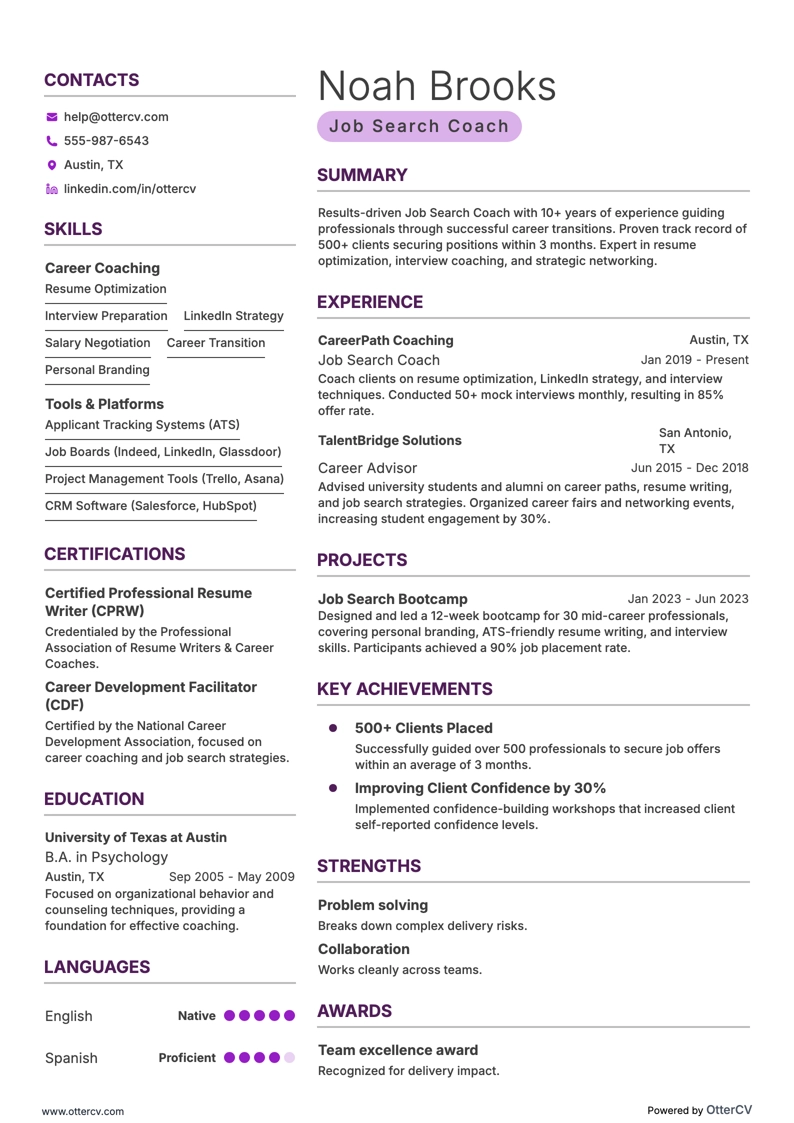
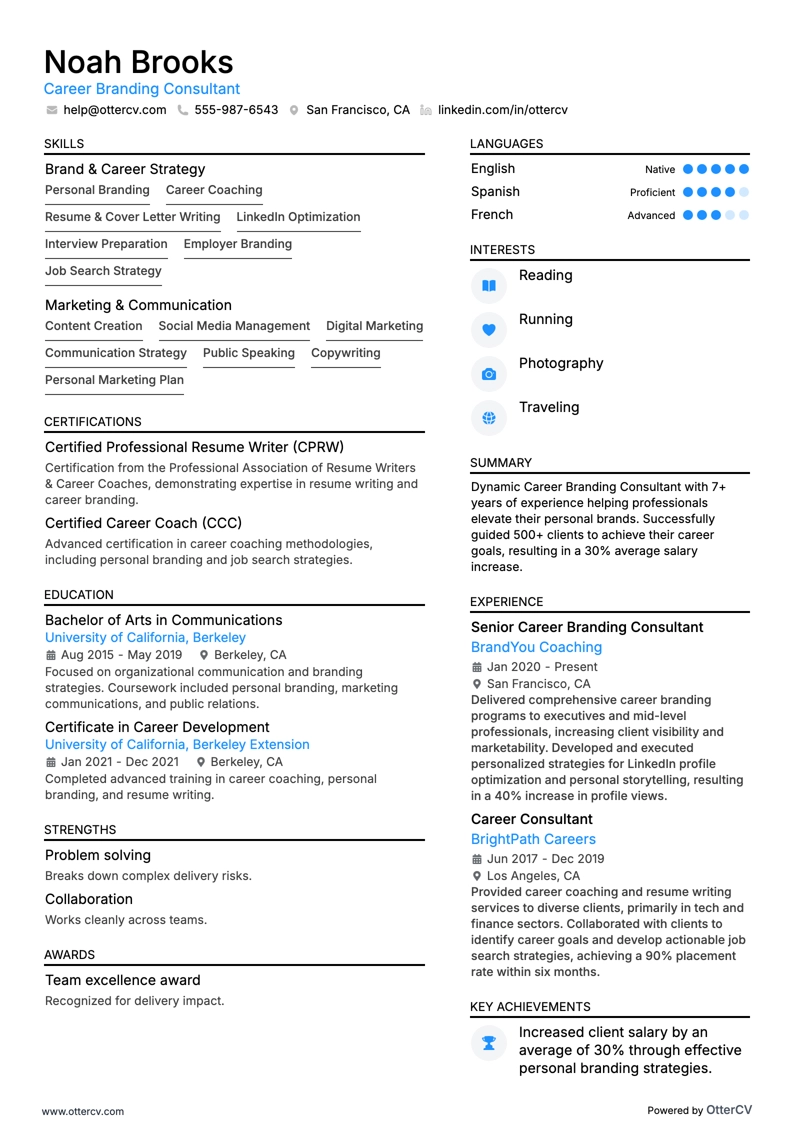
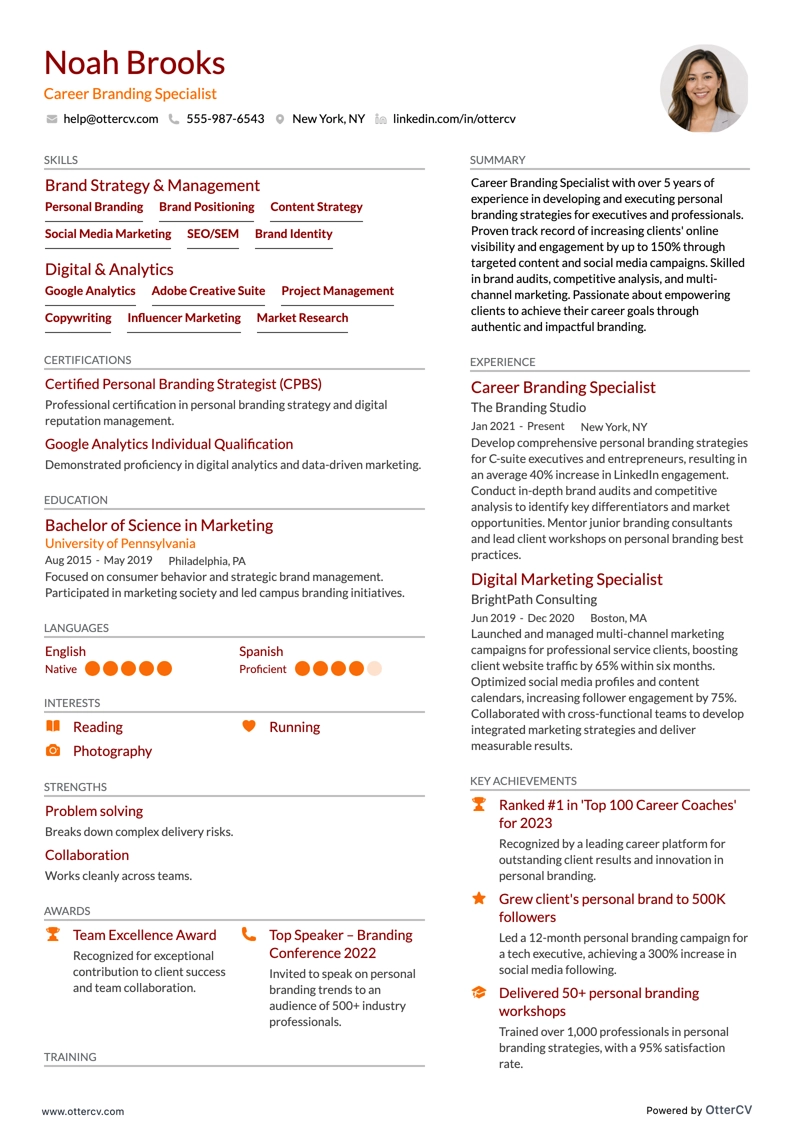
Anyone who wants to work in the United States or with US-based companies needs to understand the format and style of a US resume. For international applicants, this often means shifting from application norms in their home countries, mainly involving CVs, to the US resume standard. US citizens also benefit from keeping an updated resume so they can respond quickly to new opportunities.
Although resumes and CVs share similarities around the world, the US market has specific expectations for format, length, and content. Meeting those expectations can make the difference between getting noticed and being overlooked.
This guide will help you write a job-winning resume that aligns with US resume standards. It covers:
- Why adapting your work experience to American recruiting standards makes your job search easier
- How to optimize your resume with strategic keyword usage
- The essential sections to include, plus additional sections that can strengthen your application
- How to present your skills effectively in a US-format resume
- How to choose content that keeps your resume concise, relevant, and engaging
Before you continue, you may want to save these related resources for later:
- How to Write a Great Resume
- Resume Tips and Advice
- Canadian Resume Format
- Resume Styles: The Best Choice for Your Needs
- Why Can’t I Find a Job?
- How to Know If a Job is a Scam?
- Background Check for Employment
- Chat GPT Resume Prompts
- Cover Letter Examples
Let’s dive in.
How to format your resume for the US job market
Compared with European CVs, American resumes are shorter (up to 2 pages) and easier to scan. In her book The Culture Map, Erin Meyer explains that the United States is a low-context culture where “good communication is precise, simple, and clear. Messages are expressed and understood at face value.”
These communication preferences also apply in professional settings. If you are applying from abroad and have a work visa, your goal is to translate your experience and achievements into a document that is clear, organized, and easy to understand.
The first step is choosing the right format for your US resume.
Types of US resumes
In the United States, resume structure largely depends on how you present your work history, which is often shaped by your level of experience. Below are the three most common formats:
- Reverse chronological resume: The most traditional and widely used format. It lists your work experience in reverse chronological order, starting with your most recent role. It is the best choice for people with a strong work history and steady career growth in the same field. Recruiters also prefer it because it makes your career path and longevity easy to assess.
- Functional resume: Also called a skills-based resume, this format focuses on your skills and abilities instead of your chronological work history. It is especially useful for career changers, people with employment gaps, or those entering the workforce for the first time. It emphasizes what you can do and what you have learned rather than where and when you worked.
- Combination (hybrid) resume: The hybrid layout combines elements of both chronological and functional resumes. It begins with a section highlighting your skills and accomplishments, then follows with a detailed work history in reverse chronological order. This format works well if you want to showcase specific skills while still presenting your experience clearly.