How to quantify impact on a tech resume
Prospective employers need proof that you can do the job. Your resume should include numbers that illustrate the outcomes of your work. For example:
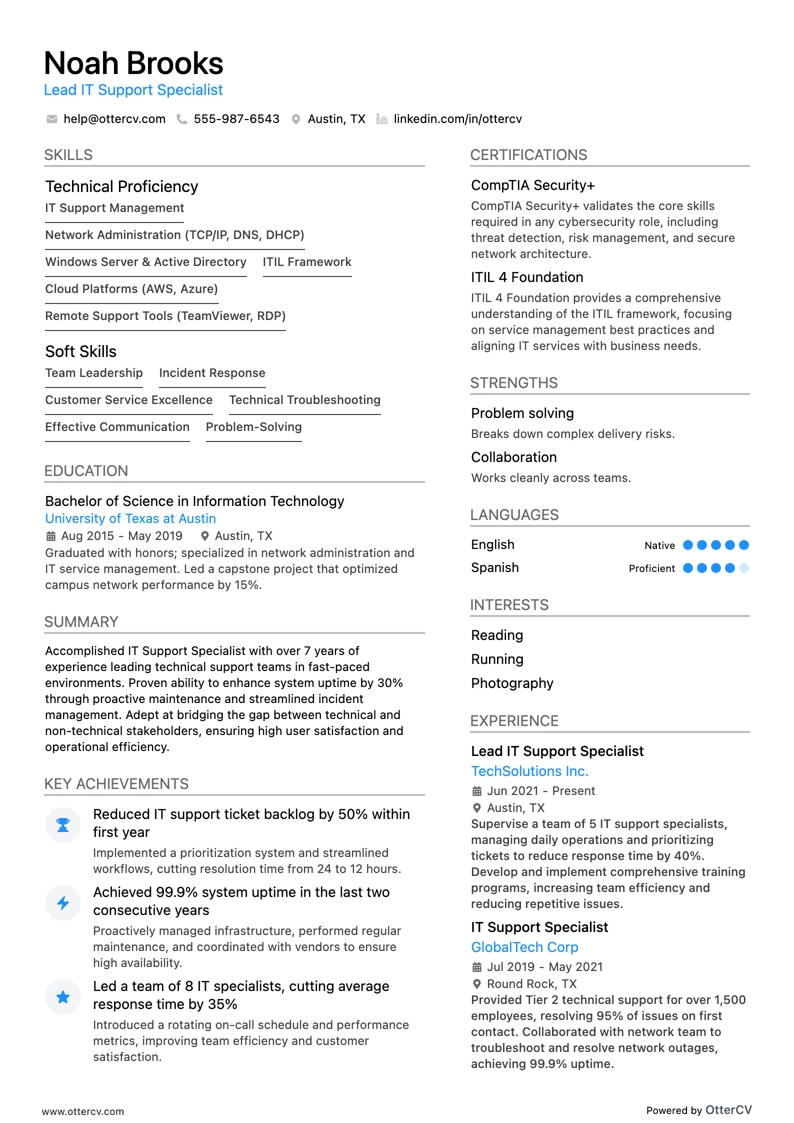
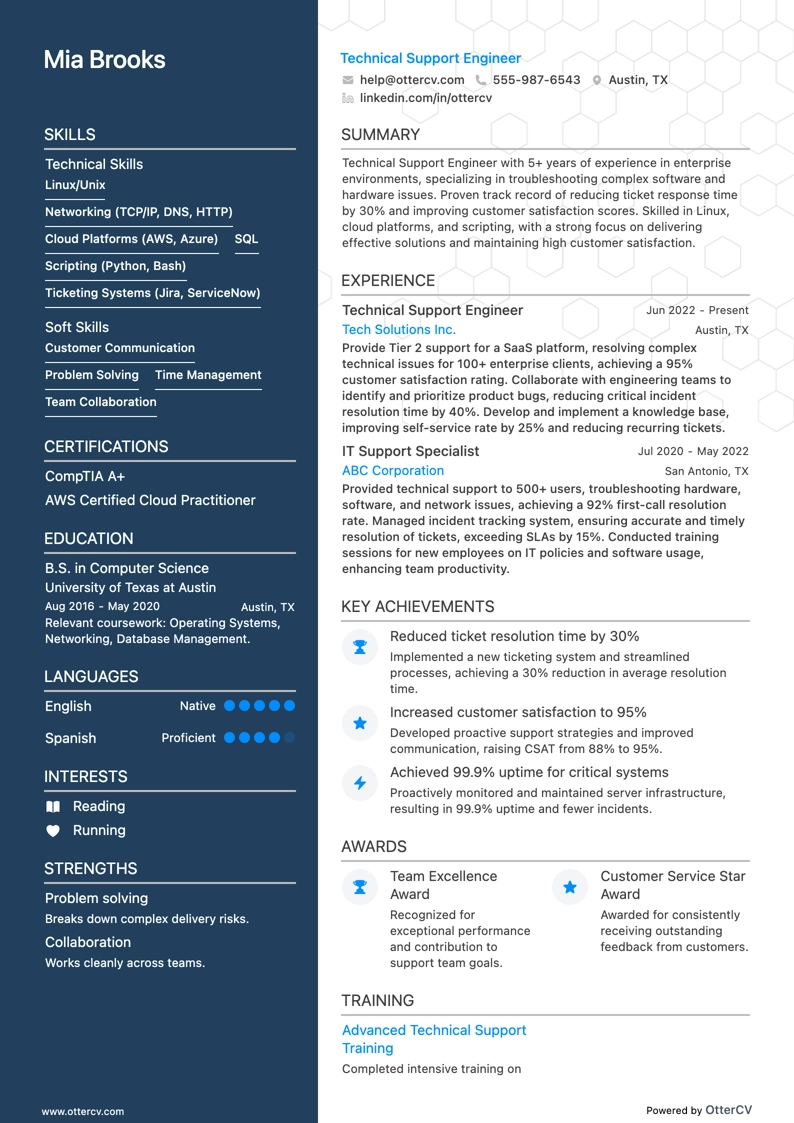
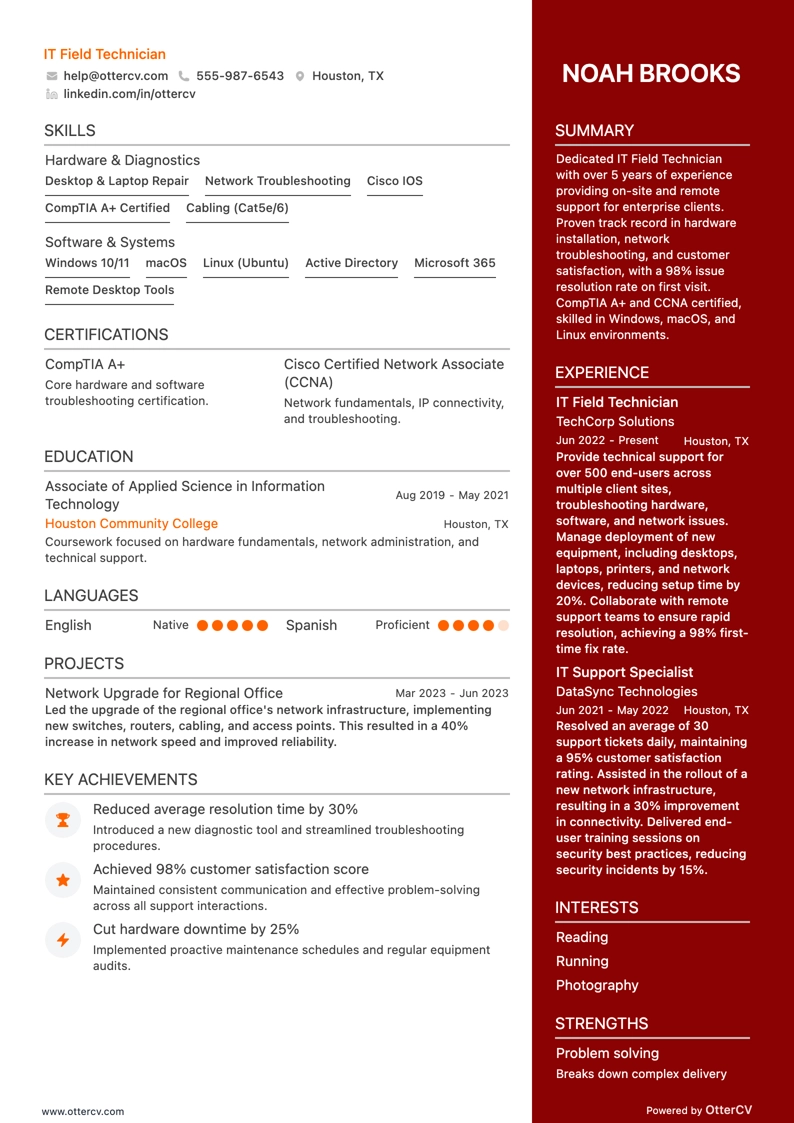
- Include the percentage increase in website traffic from your optimization efforts.
- Mention the money saved through efficient code refactoring.
- Highlight the reduction in load times you achieved for applications.
- Detail the number of users added after launching a new feature.
- Specify the revenue growth from a project you led.
- Report the decrease in bug reports after improving software quality.
- Note the number of automated tests you implemented.
- Describe the scale of data you managed or analyzed.
How to write an entry-level tech resume
The tech industry needs candidates, but breaking in as a junior developer is not always easy. The market is crowded, and even people with up to 2 years of experience may spend months applying for jobs.
To stand out, you need to nail your tech resume. Three qualities matter most.
Be a continuous learner. New tools and technologies appear constantly, so stay current and take training courses when you can. Add relevant certifications to your resume, either in a certifications section or in your hard skills section. When choosing a certificate, match it to the job requirements.
Compensate with versatility. If you have little or no experience, focus on skills you’ve gained through personal interactions. That might include dividing tasks and mediating conflicts on a college project or resolving customer support issues in a part-time job. These experiences still show value.
Build a portfolio. For a junior tech resume, your portfolio is one of the strongest assets you can show. You may need to take freelance work for a low fee to build enough projects, but doing so can help you gain technical skills and become more marketable. Hiring managers will see drive, ambition, and a desire to keep learning.
Make sure you state your projects or tech portfolio prominently on your resume.
Technical resume skills section: do’s and don'ts
A balanced skills section helps recruiters quickly judge whether you can perform the job. At the same time, no one wants to read a list of 50+ skills.
Use these tips to make your skills section more effective:
- Put the technology the company uses higher on your list.
- Group your skills for readability, such as “Programming languages,” “Platforms,” and “Services.”
- List only the most recent and relevant technologies. Outdated tools can leave a poor impression.
- Mention methodologies alongside frameworks. Experience with Agile or DevOps workflows can matter as much as hard skills.
- Add some buzzwords you could not fit into the experience section, such as DataOps, DevOps, or VR/AR, but only when they are relevant.
- If you are applying for a leadership position, emphasize the soft skills section.
Here are some of the most sought-after hard skills to put on your tech resume: