Everyone has a story to tell, but what sets it apart is how you frame it.
Simply listing achievements and awards is not enough. Recruiters want to understand what motivates you, what drives you forward, and what you care about. A narrative that shows how you have handled professional and personal challenges is far more compelling.
Google is committed to being an equal opportunity workplace, so do not hold yourself back because of who you are or past criminal mistakes. Nobody’s life is picture-perfect, and it does not need to be. If you have the drive and prepare well, the opportunity is there to pursue.
A good place to start is Google’s career search tool. You can filter roles by:
- Location
- Skills and qualifications
- Degree
- Job types
- Organizations
Whatever approach you take, focus on positions you are genuinely passionate about. You can save a broad list of roles, but you can only apply for 3 jobs every 30 days.
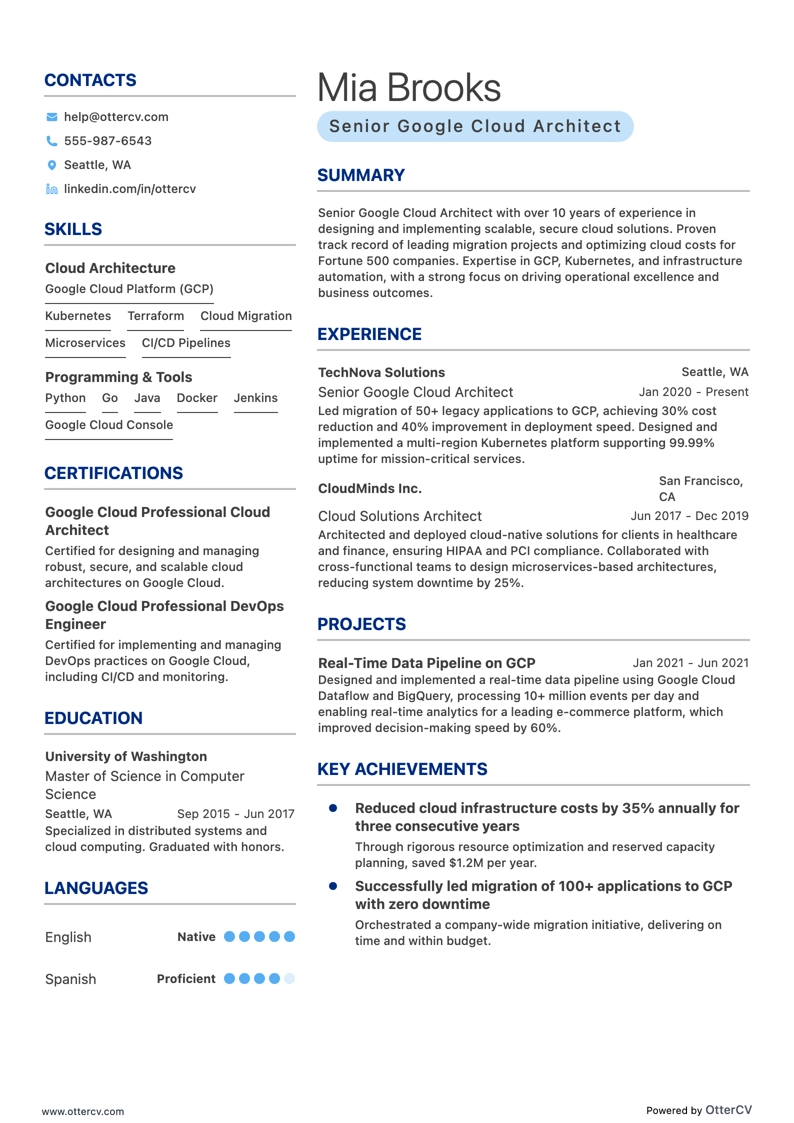
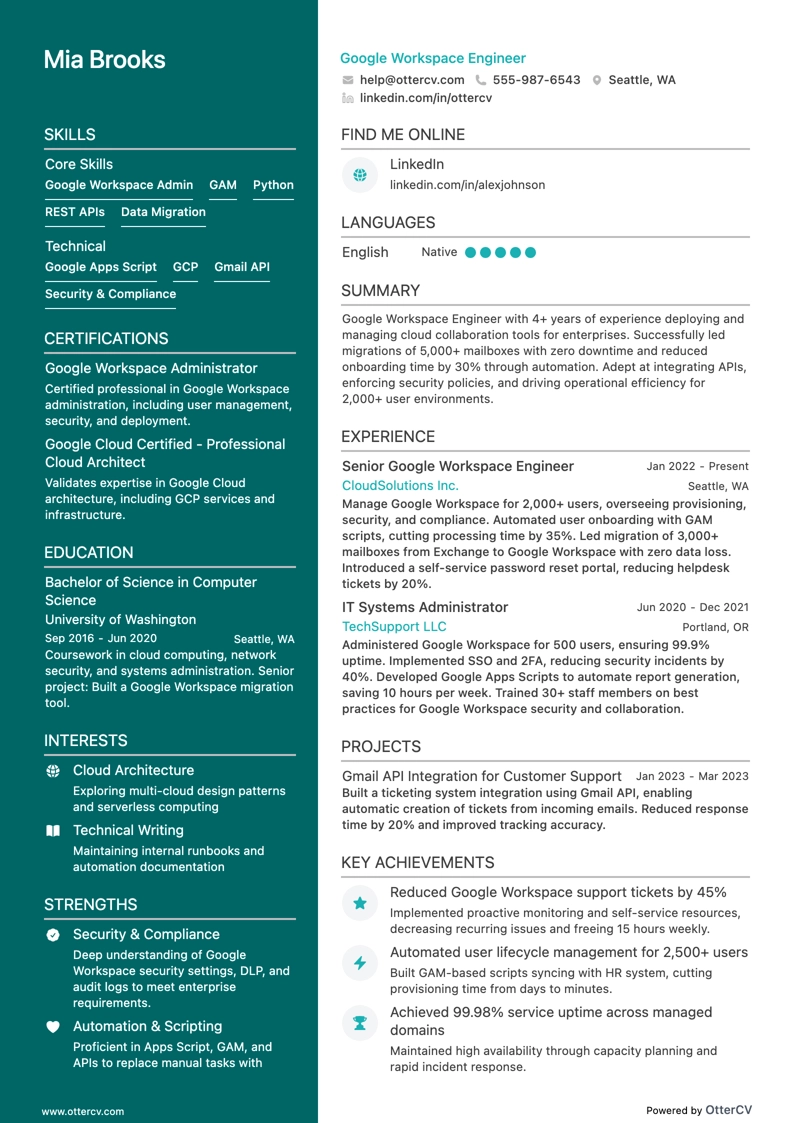
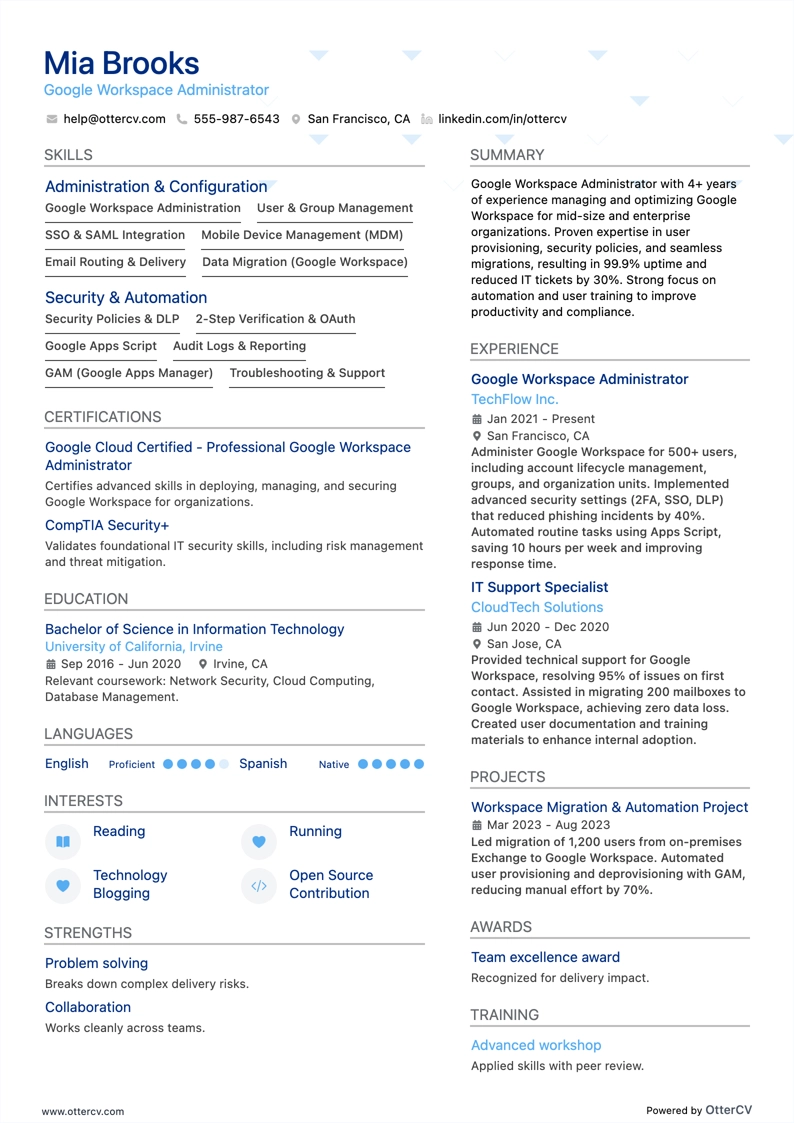
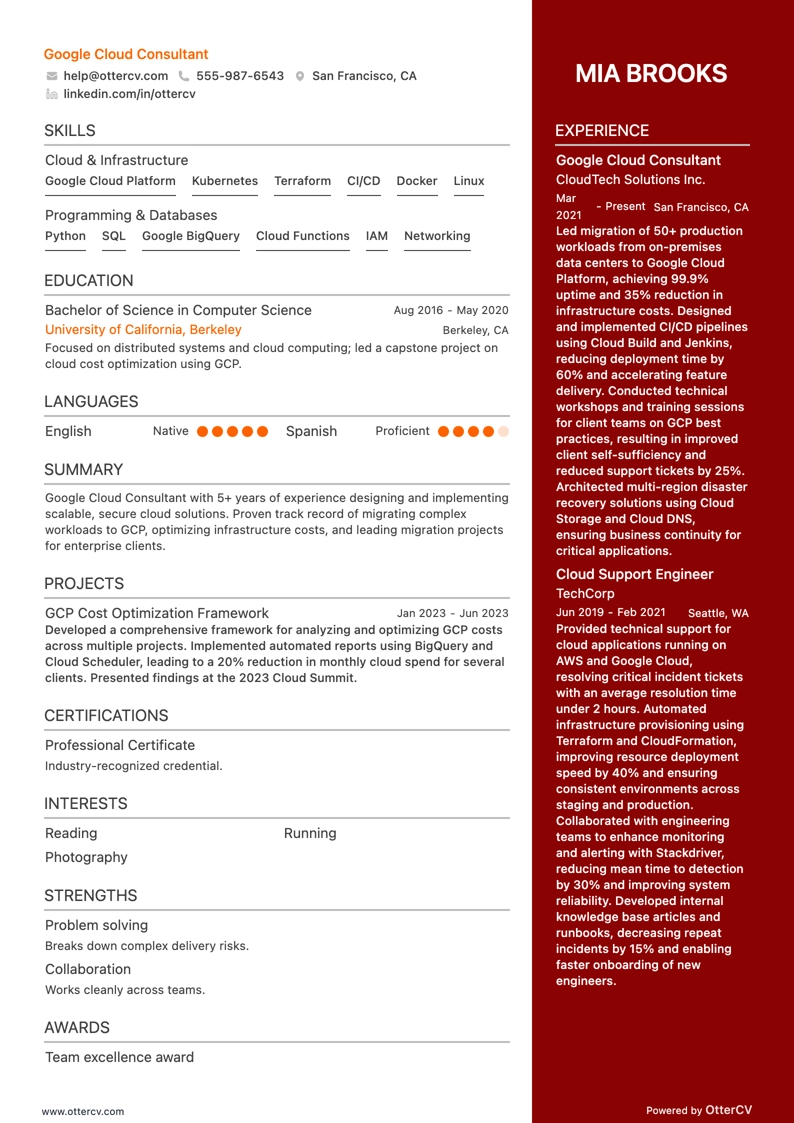
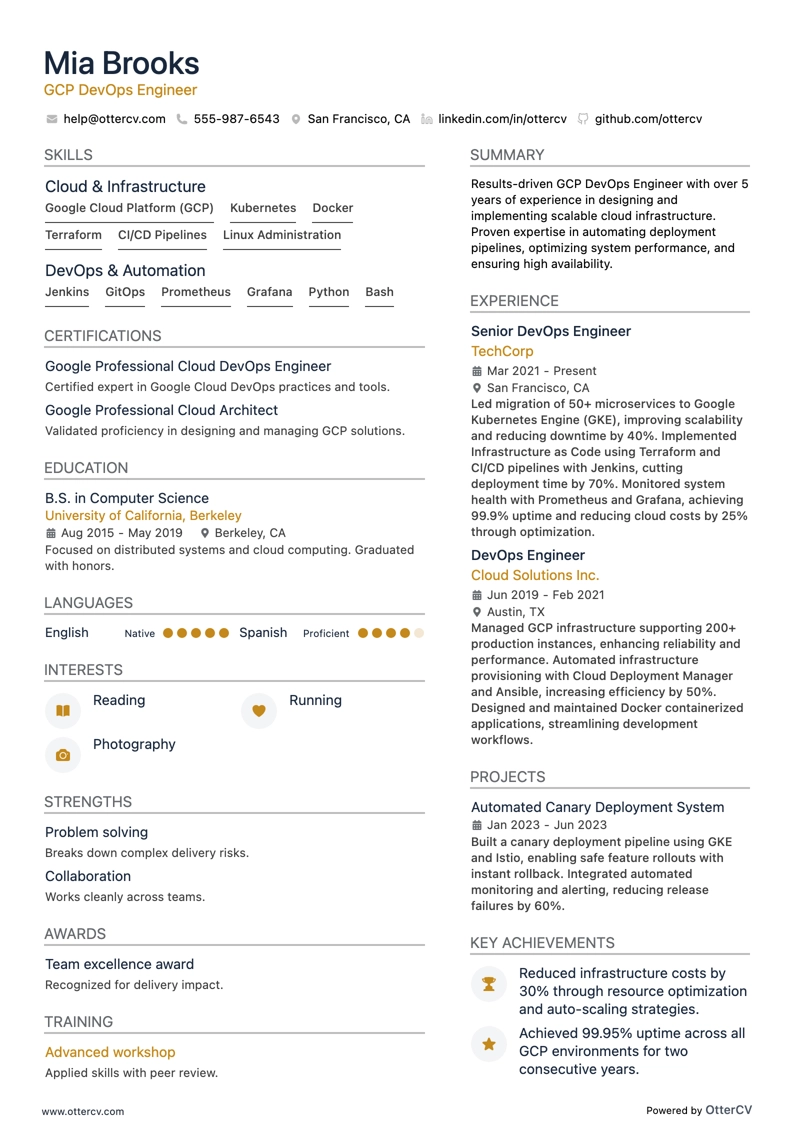
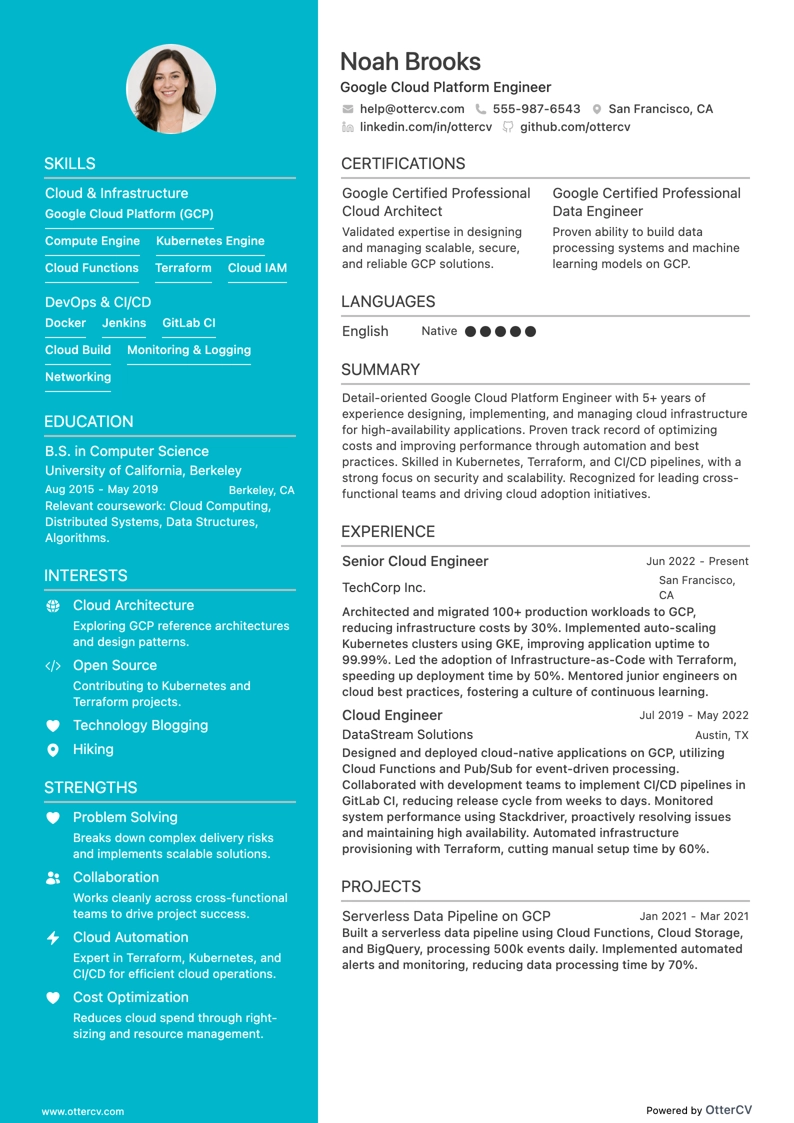
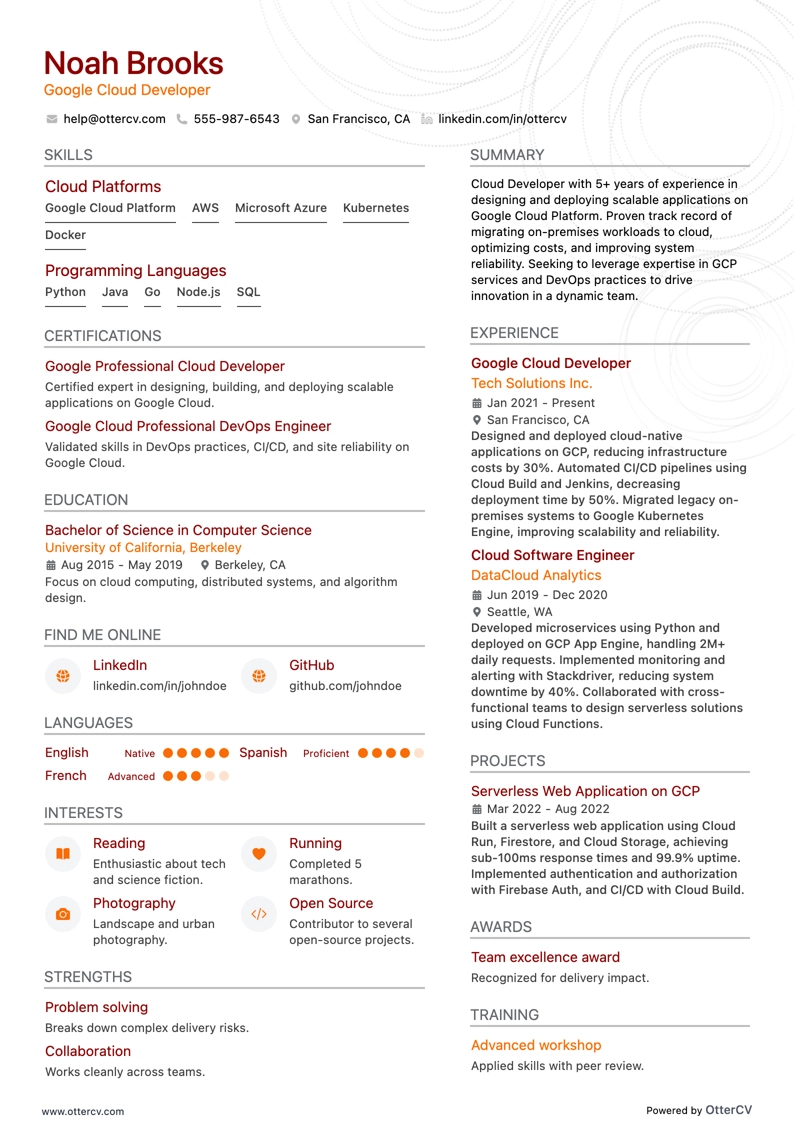
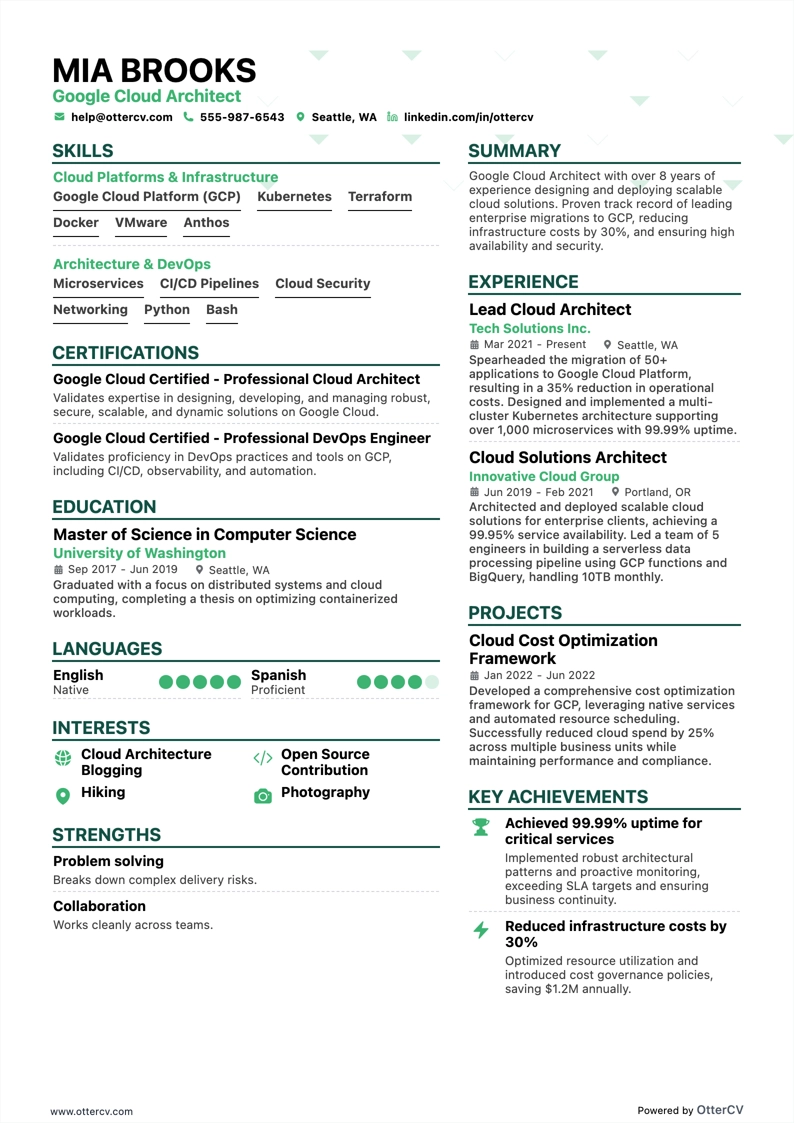
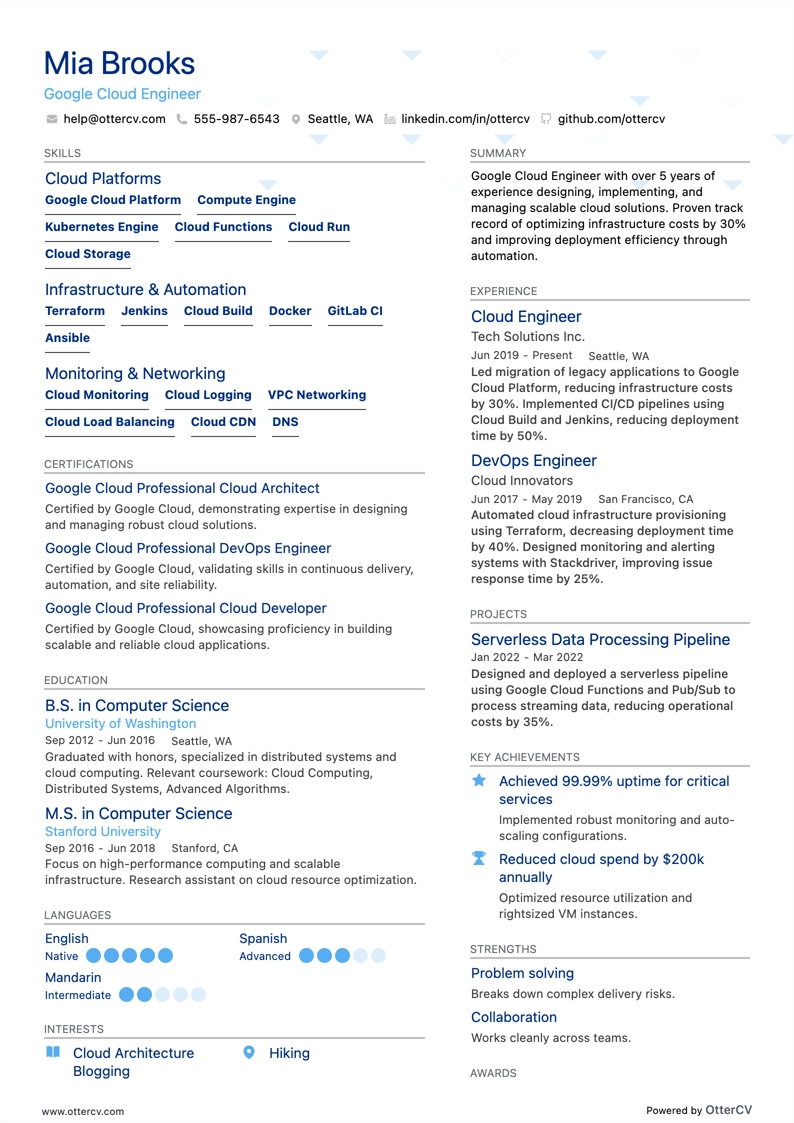
For your resume format, most common layouts are acceptable as long as they highlight your strengths. Google recruiters prefer the reverse-chronological format.
If you are a college graduate or have limited experience, there is some flexibility. You can keep the traditional structure while adjusting the order of your resume sections, aside from the header, to present your strongest achievements first.
If you are more experienced, start with your most recent and most relevant experience. Avoid going back more than a decade unless it is absolutely necessary.
Resume length also matters. For business roles, Google suggests keeping your resume to one page. For technical and engineering roles, up to two pages is acceptable.
Above all, aim for brevity and impact. If you are applying to multiple roles, tailor each resume to the specific position instead of using the same version everywhere.
If you are a recent graduate, or expect to graduate soon, begin with your academic accomplishments. Keep fonts and sizing consistent throughout, and use black or another dark, readable ink color.
You’ll find more information on Google’s formatting preferences throughout this article.
With all this in mind, which sections should feature on your resume?