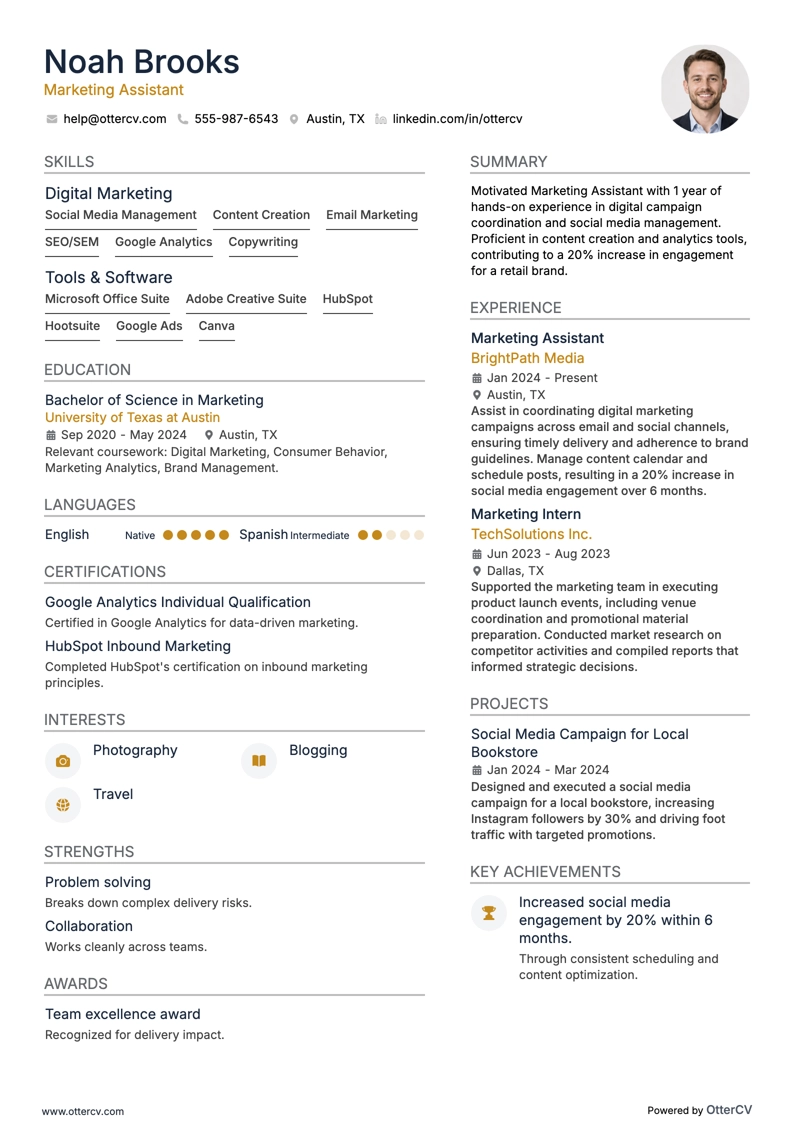
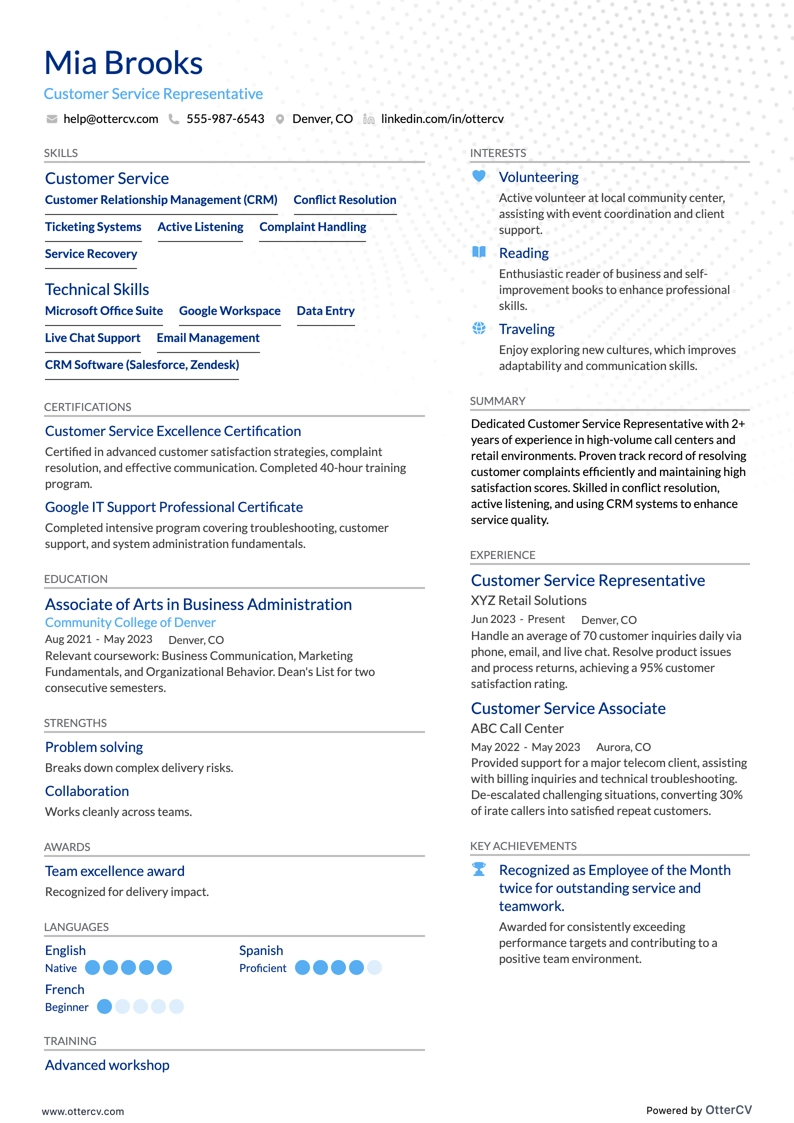
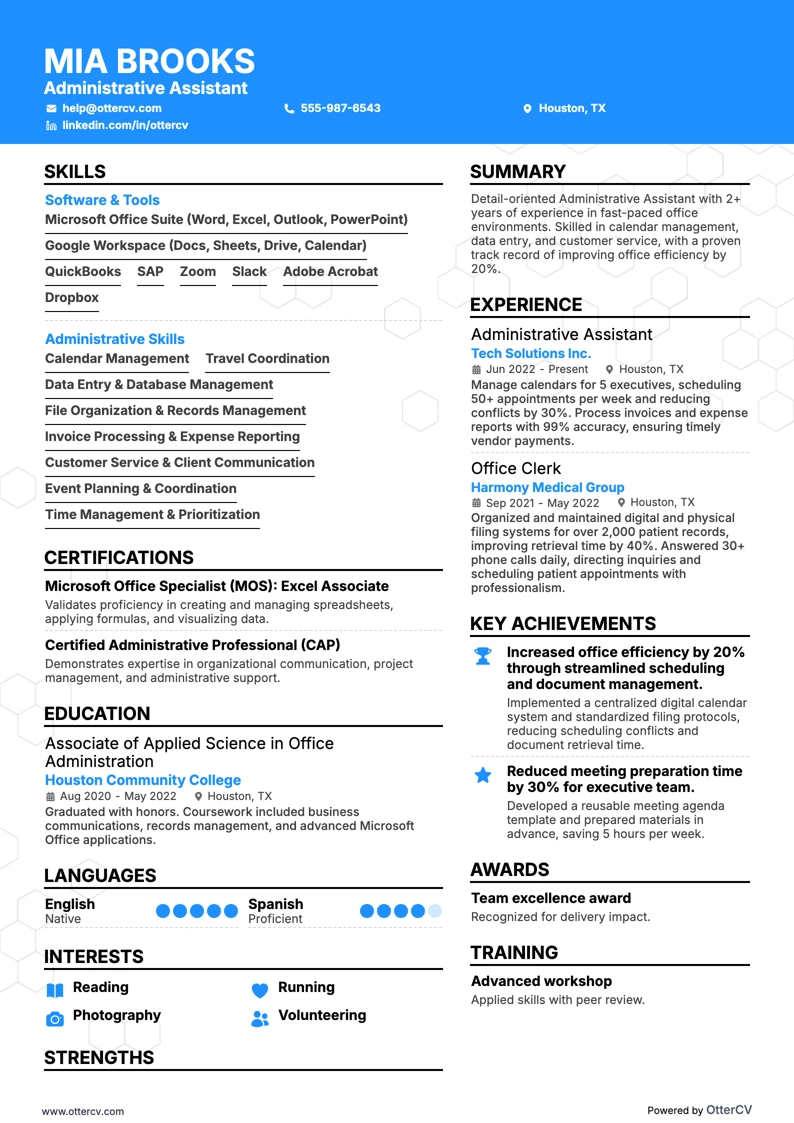
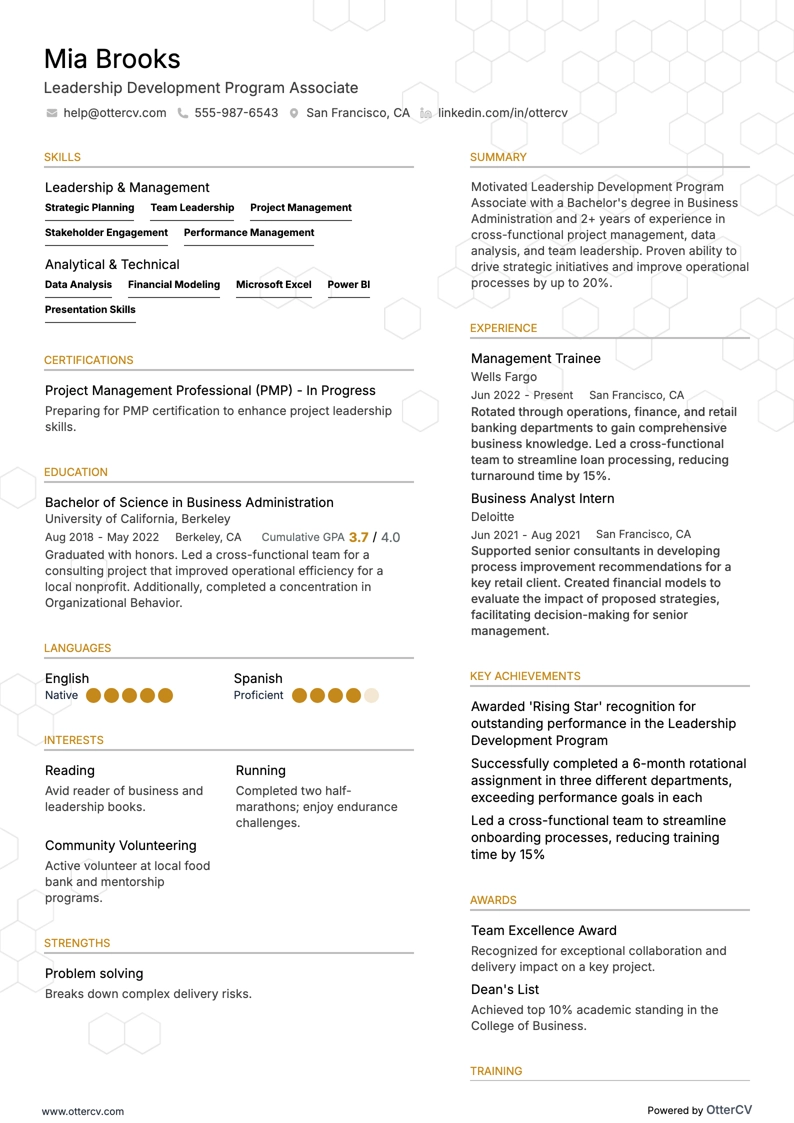
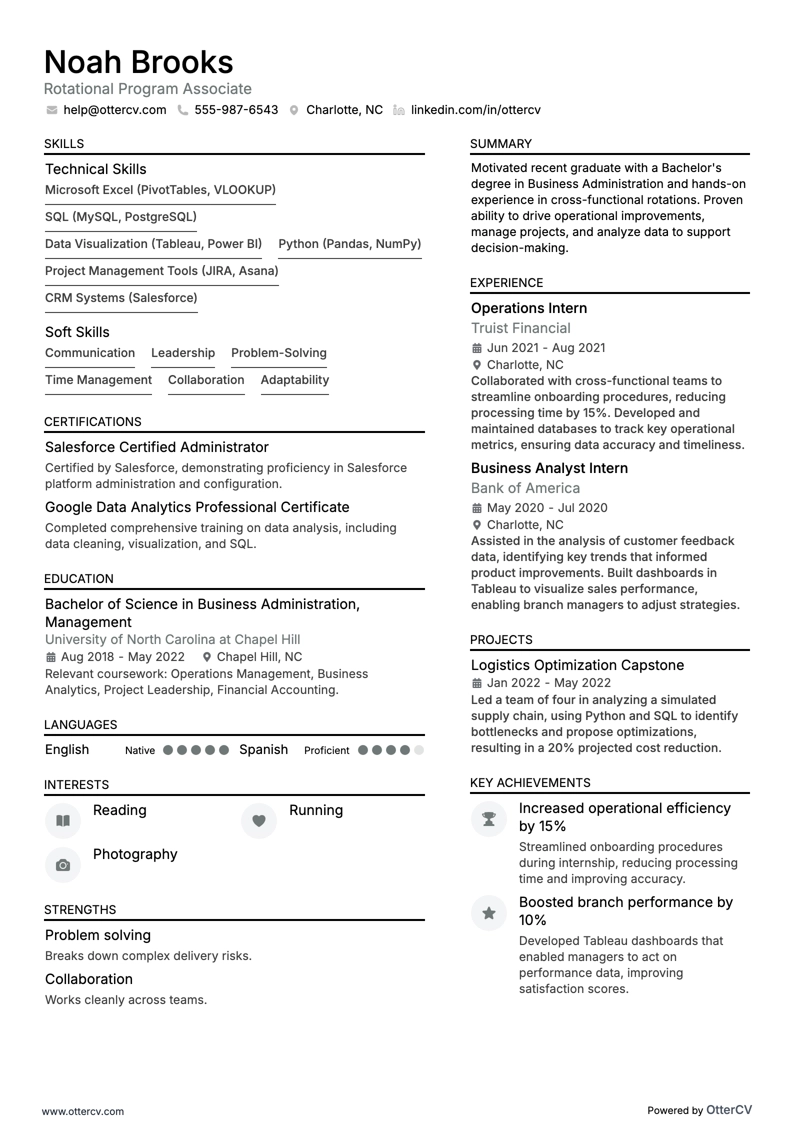
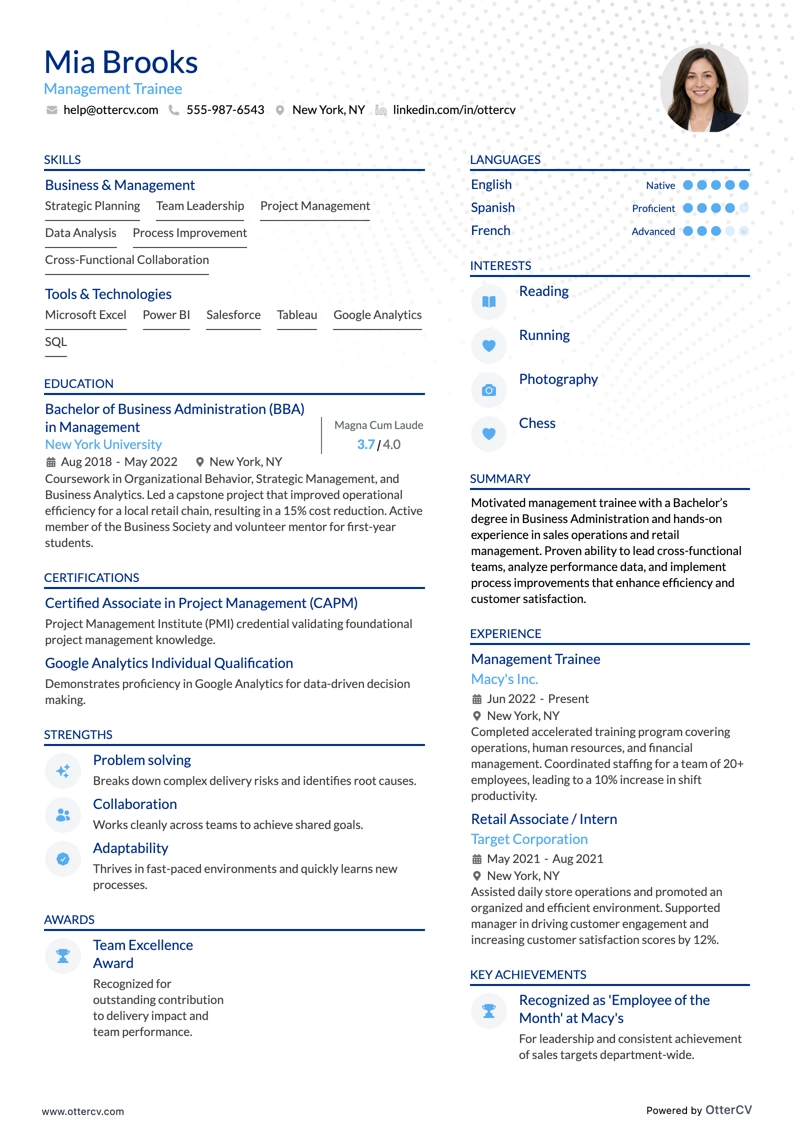
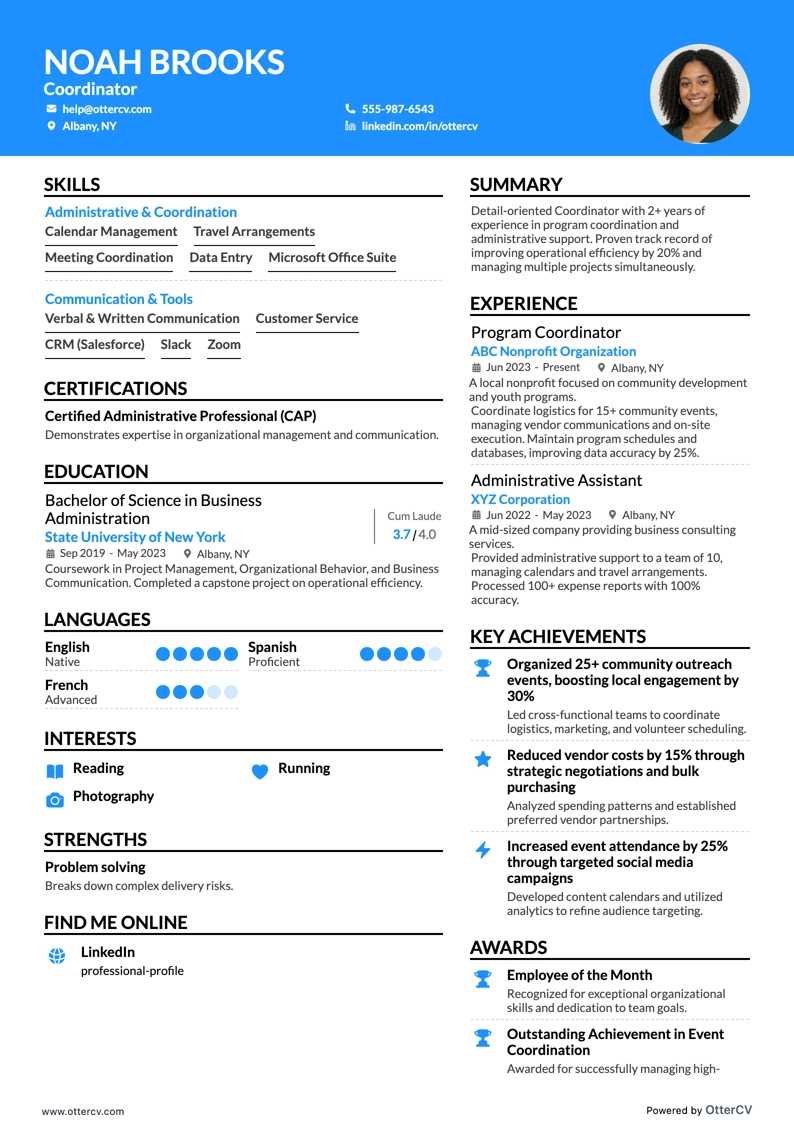
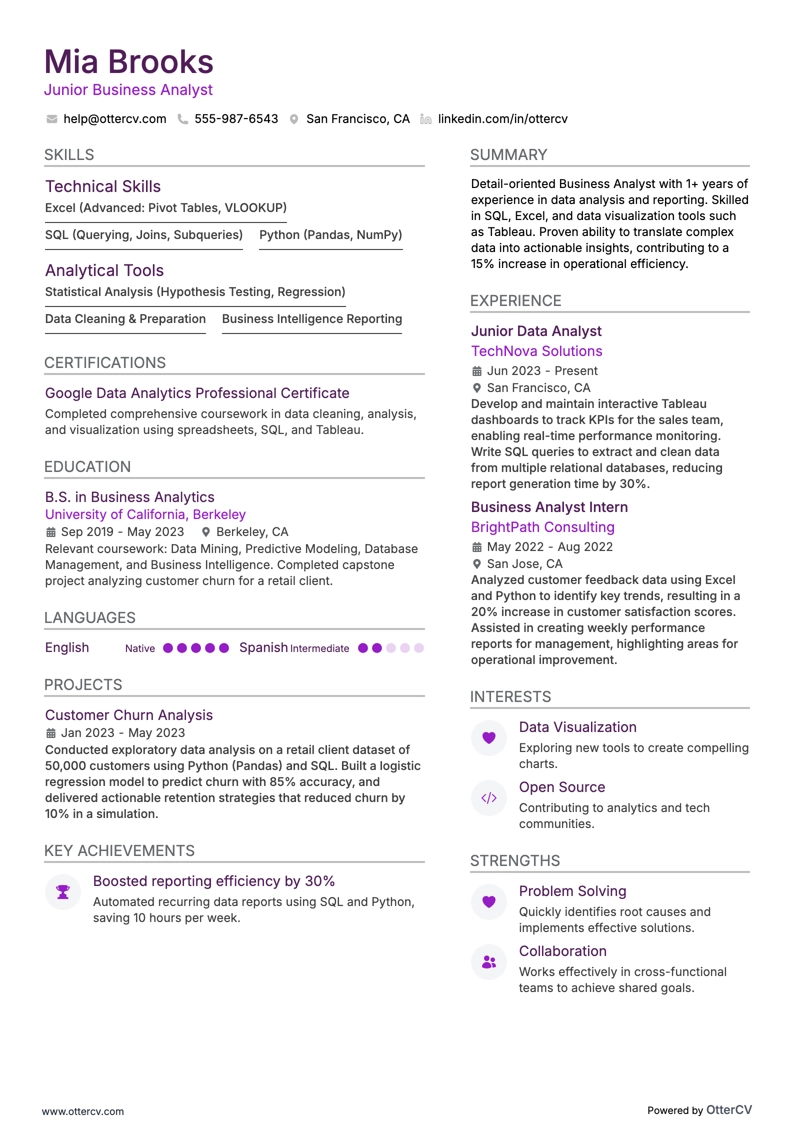
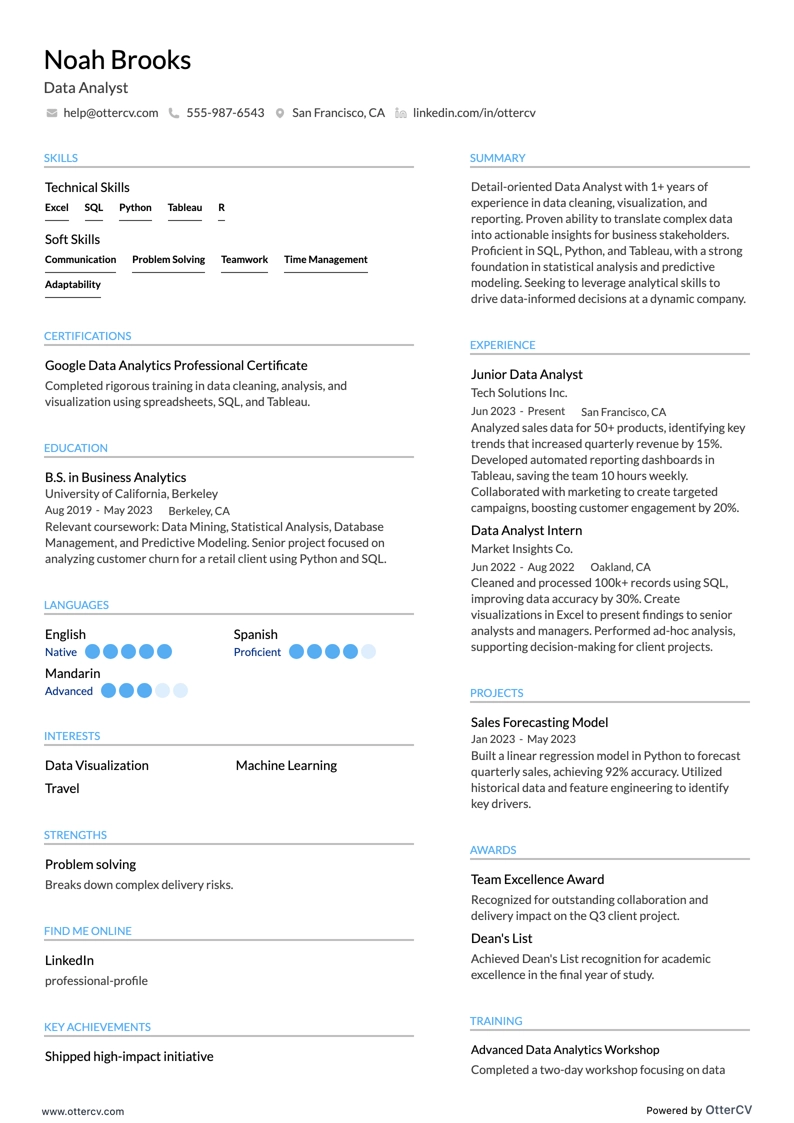
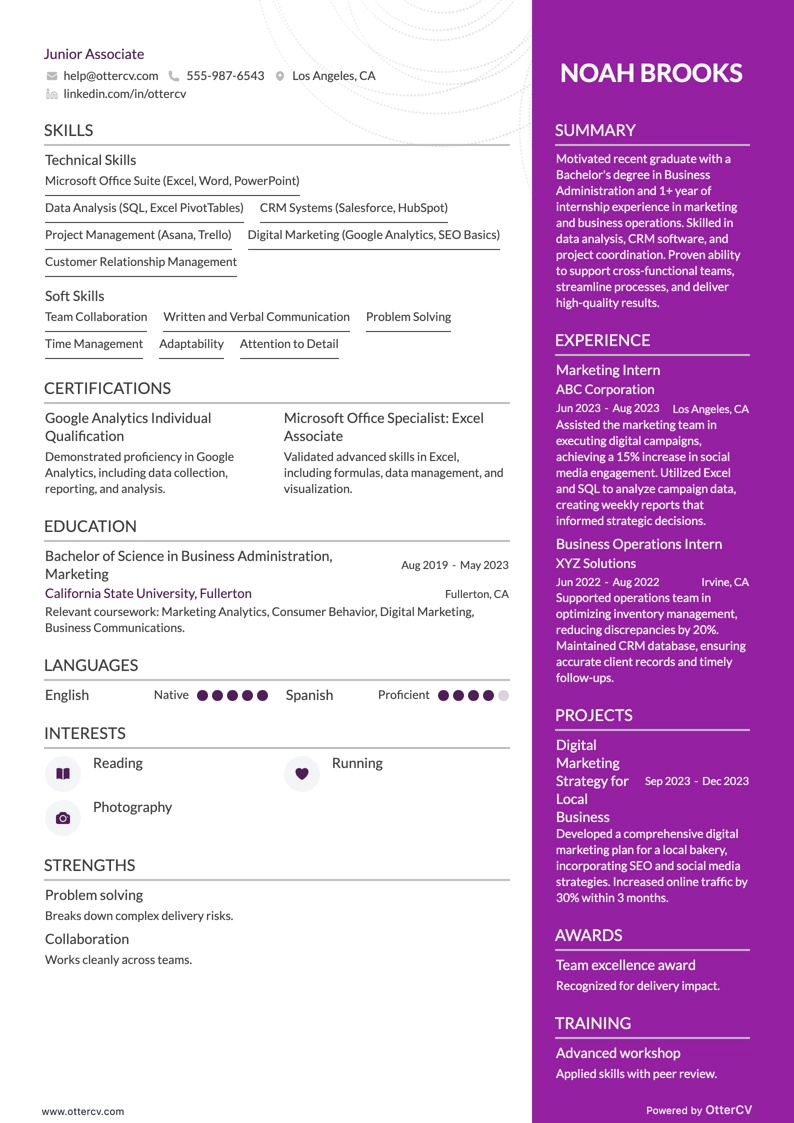
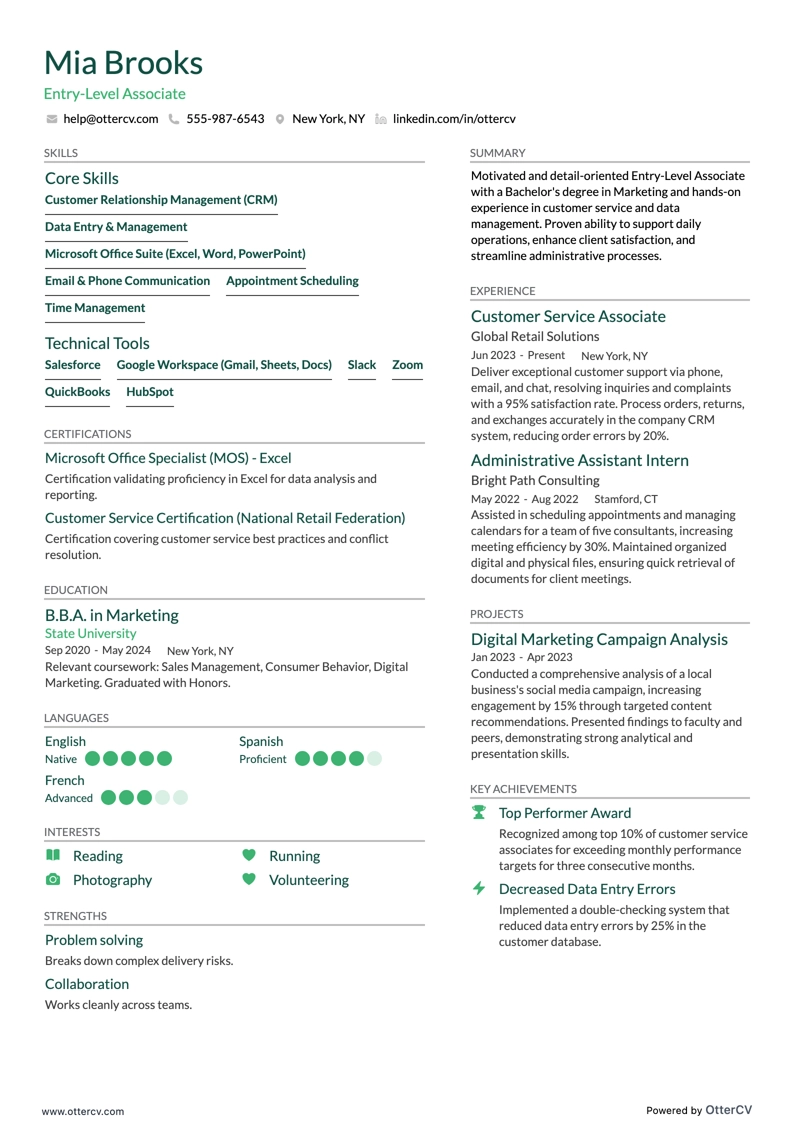
Entering the job market for the first time can feel exciting and a little daunting. An entry-level resume is one of your most important tools for getting started and making a strong first impression.
In fact, recruiters spend an average of just 7 seconds looking at a resume. That means your resume needs to grab attention quickly and show hiring managers why you are worth a closer look.
A strong entry-level resume should tell a clear story about who you are, what you can do, and the potential you bring. It is not just about listing qualifications. It is about presenting your strengths in a way that matches what employers are looking for.
In this article, we cover:
- The best way to format an entry-level resume, including the sections recruiters pay the most attention to
- How to write work experience entries that are targeted and meaningful
- Why it is important to include a mix of relevant hard and soft skills
- How to present your education and certifications effectively
- How to write a compelling personal statement that catches a recruiter’s eye
- Additional sections that can strengthen your resume and help it stand out
For more tailored advice, explore these career-specific entry-level resume guides:
- Entry-Level Mechanical Engineer Resume Guide
- Entry-Level Programmer Resume Guide
- Entry-Level Software Developer Resume Guide
- Entry-Level Business Analyst Resume Guide
- Entry-Level Customer Service Resume Guide
- Entry-Level Digital Marketing Resume Guide
- Entry-Level Software Engineer Resume Guide
- Entry-Level Cover Letter Guide